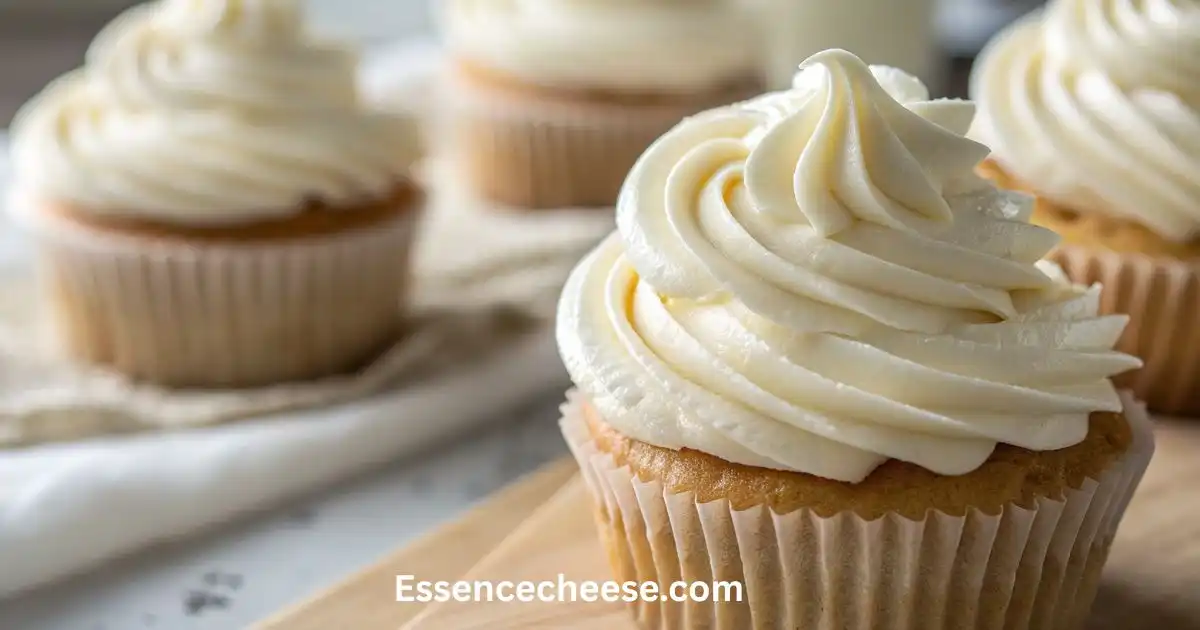
Achieve Bakery-Level Frosting: No-Fail Secrets for Thick & Tangy Cream Cheese
Every home baker dreams of creating desserts that rival their favorite bakery. While a perfectly moist cake or a tender cupcake is essential, the frosting is often the crowning glory, the element that elevates a simple treat into an unforgettable experience. Among the vast world of frostings, cream cheese frosting stands out as a true staple, a versatile and utterly delicious accompaniment that works wonders with everything from classic red velvet to spiced carrot cakes, chocolate brownies, and even humble cinnamon rolls. Its unique blend of rich creaminess and a delightful tangy counterpoint is what keeps it from ever being overly sweet, making it a universal crowd-pleaser.
Yet, many bakers encounter challenges: runny textures, stubborn lumps, or a lack of that desirable thickness needed for elegant piping. If you've ever found yourself frustrated by a cream cheese frosting that just won't cooperate, you're in the right place. We're about to unlock the "no-fail" secrets that guarantee a consistently thick, smooth, and perfectly tangy
cream cheese frosting every single time – the kind that truly tastes and performs like it came straight from a professional kitchen.
The Unrivaled Charm of Cream Cheese Frosting
What makes cream cheese frosting so universally beloved? It’s more than just its taste; it’s its unique character. Unlike traditional buttercream, which primarily relies on butter, powdered sugar, and a liquid to achieve its fluffy texture, cream cheese frosting incorporates the star ingredient itself: cream cheese. This addition isn't just about flavor; it fundamentally alters the texture, making it denser, smoother, and incredibly rich, while providing that essential tanginess that balances the sweetness of baked goods so beautifully. For a deeper dive into how this tangy delight stacks up against its classic counterpart, explore our comparison on
Cream Cheese vs. Buttercream: Why This Tangy Frosting Elevates Every Dessert.
This delightful balance is precisely why cream cheese frosting has become a go-to for so many occasions. It offers a sophisticated flavor profile without being overly complicated to make. A generous batch can easily cover a two-layer cake, perfectly pipe a dozen cupcakes, or simply be a decadent smear on a pan of brownies. And the best part? A high-quality batch comes together in mere minutes, making it ideal for those last-minute dessert transformations.
The Holy Trinity of Thickness: Three Secrets to Success
Achieving that enviable bakery-level
thick cream cheese frosting isn't about luck or a secret family recipe; it's about understanding the science behind the ingredients and method. Once you grasp these fundamental principles, you'll be able to create a consistently stable, smooth, and tangy frosting with absolute confidence. These three secrets are the bedrock of perfect results.
Secret #1: The Cream Cheese Commandment – Full-Fat, Brick-Style is Non-Negotiable
This is perhaps the single most critical factor in determining the success of your cream cheese frosting. For a thick, stable, and truly pipeable consistency, you **must** use
full-fat, brick-style cream cheese. There are no shortcuts or acceptable substitutions here.
*
Why full-fat? The fat content is crucial for creating a stable emulsion when beaten with butter and sugar. Lower fat versions often contain more water and stabilizers, which disrupt the desired structure, leading to a runny, unpredictable frosting.
*
Why brick-style? Cream cheese sold in tubs or whipped varieties contains significantly more moisture and often has added ingredients to maintain its spreadable consistency. This excess water is the arch-nemesis of thick frosting, making it thin and unable to hold its shape. Brick-style cream cheese, conversely, has less moisture and a denser fat base, which is exactly what you need to form a robust, stable frosting.
*
The Gold Standard: While many brands produce brick-style cream cheese, **Philadelphia cream cheese** is widely considered the gold standard for a reason. Its consistent quality, ideal fat-to-moisture ratio, and rich flavor provide the perfect foundation for a balanced, tangy cream cheese frosting. Always check the label to ensure it explicitly states "full-fat" and is in a "block" or "brick" form.
Secret #2: The Temperature Truce – Cool Room Temp is Your Best Friend
Temperature control is the unsung hero (or silent saboteur) of many baking endeavors, and
cream cheese frosting is no exception. The ideal consistency hinges on both your butter and cream cheese being at the perfect "cool room temperature."
*
The Science of Temperature: When ingredients are too cold, they refuse to blend smoothly, resulting in lumps and a poor emulsion. The fat crystals in butter and cream cheese won't properly integrate, leading to a greasy, separated appearance. Conversely, if they're too warm (especially the butter), the fat melts prematurely, leading to a greasy, thin, and often soupy consistency that lacks body and stability.
*
Achieving the Right Temp: Aim for approximately
67°F (19-20°C) for both your butter and cream cheese.
*
Butter: It should feel soft to the touch when gently pressed, leaving a slight indent, but it should not be oily or shiny. To achieve this, take it out of the fridge about 30-60 minutes before you start. For quicker softening, cut it into smaller pieces.
*
Cream Cheese: It needs to be completely softened to blend without resistance, but still cool enough that it maintains its structure. Taking it out 20-30 minutes before is usually sufficient. You want it soft but not warm to the touch. If it gets too warm, a quick chill in the fridge for 10-15 minutes can bring it back to ideal. This cool room temperature ensures the fat crystals mix evenly, yielding a smooth, thick, and stable finish.
Secret #3: The Methodical Mix – Proper Order and Pace
Even with the right ingredients at the perfect temperature, the mixing method can make or break your
homemade cream cheese frosting. This isn't just about combining ingredients; it's about creating a stable, emulsified structure.
*
Cream Butter and Cream Cheese First: Begin by beating the softened butter and cream cheese together on medium speed until they are *perfectly smooth and homogenous*. This step is critical for preventing lumps and ensuring a velvety texture. Scrape down the bowl frequently to ensure everything is incorporated.
*
Gradual Powdered Sugar Addition: Once the butter and cream cheese are beautifully creamy, gradually add the powdered sugar, one cup at a time, mixing on low speed until just combined before adding the next. Sifting your powdered sugar beforehand is a game-changer for avoiding lumps.
*
The Danger of Over-Whisking: Here's a common mistake: once the powdered sugar is in, many bakers continue to whip the frosting on high speed, thinking it will make it fluffier. However, over-whipping *after* the sugar is incorporated can introduce too much air, which can actually destabilize the emulsion and make your frosting less dense, less stable, and more prone to becoming greasy or separating. Instead, once the sugar is fully incorporated, mix only until it's smooth and the desired thickness is achieved.
*
Flavorings Last: Finally, mix in your vanilla extract (or other flavorings like lemon zest, almond extract) until just combined. A good quality vanilla extract makes a significant difference in taste. A tiny pinch of salt can also enhance all the flavors, balancing the sweetness and tang. Use a paddle attachment on your stand mixer for the densest, most stable results; a whisk attachment can incorporate too much air.
Beyond the Basics: Mastering Storage and Troubleshooting
Understanding these core secrets will arm you with the knowledge to consistently create incredible cream cheese frosting. But what about once it's made? And how do you fix things if they go wrong?
*
Refrigeration is a Must: Due to its perishable nature, any dessert frosted with
cream cheese frosting *must* be refrigerated if it won't be consumed within a couple of hours. This is crucial for food safety. Cover the cake or cupcakes loosely to prevent them from drying out.
*
Make-Ahead & Storage: One of the beautiful aspects of this frosting is its make-ahead potential.
* You can prepare the frosting up to 3 days in advance and store it in an airtight container in the refrigerator. Before using, let it come to cool room temperature and re-whip it briefly to restore its smooth, fluffy texture.
* For longer storage, it freezes beautifully for up to 1 month. Thaw overnight in the refrigerator, then let it come to cool room temperature and re-whip until smooth and pipeable.
*
Troubleshooting Common Issues:
*
Runny Frosting: This is almost always due to incorrect cream cheese (too much moisture), ingredients being too warm, or over-whipping. If your frosting is too thin, try chilling it in the fridge for 20-30 minutes, then re-whipping briefly. You can also carefully beat in a tablespoon or two of additional sifted powdered sugar.
*
Lumpy Frosting: This typically happens when butter or cream cheese was too cold and didn't blend smoothly. If lumps are present, gently warm the bowl slightly (e.g., in a sink of warm water for a minute or two) and then re-whip on medium speed, scraping the bowl often.
*
Greasy or Separated Frosting: Often caused by ingredients being too warm or over-beating. Chill the frosting for 15-20 minutes, then try re-whipping on low speed with a paddle attachment. Sometimes adding a tiny bit more powdered sugar can help re-emulsify it.
Conclusion
Armed with these no-fail secrets, you are now ready to conquer the world of
thick and tangy cream cheese frosting. By meticulously choosing full-fat, brick-style cream cheese, ensuring your ingredients are at the perfect cool room temperature, and mastering the mixing method, you will consistently achieve a stable, smooth, and utterly delicious frosting that holds its shape beautifully for piping and spreading. This versatile bakery staple is within your grasp, ready to transform your cakes, cupcakes, and other treats into professional-level masterpieces. So, embrace the science, follow these commandments, and get ready to impress with your truly exceptional cream cheese frosting!