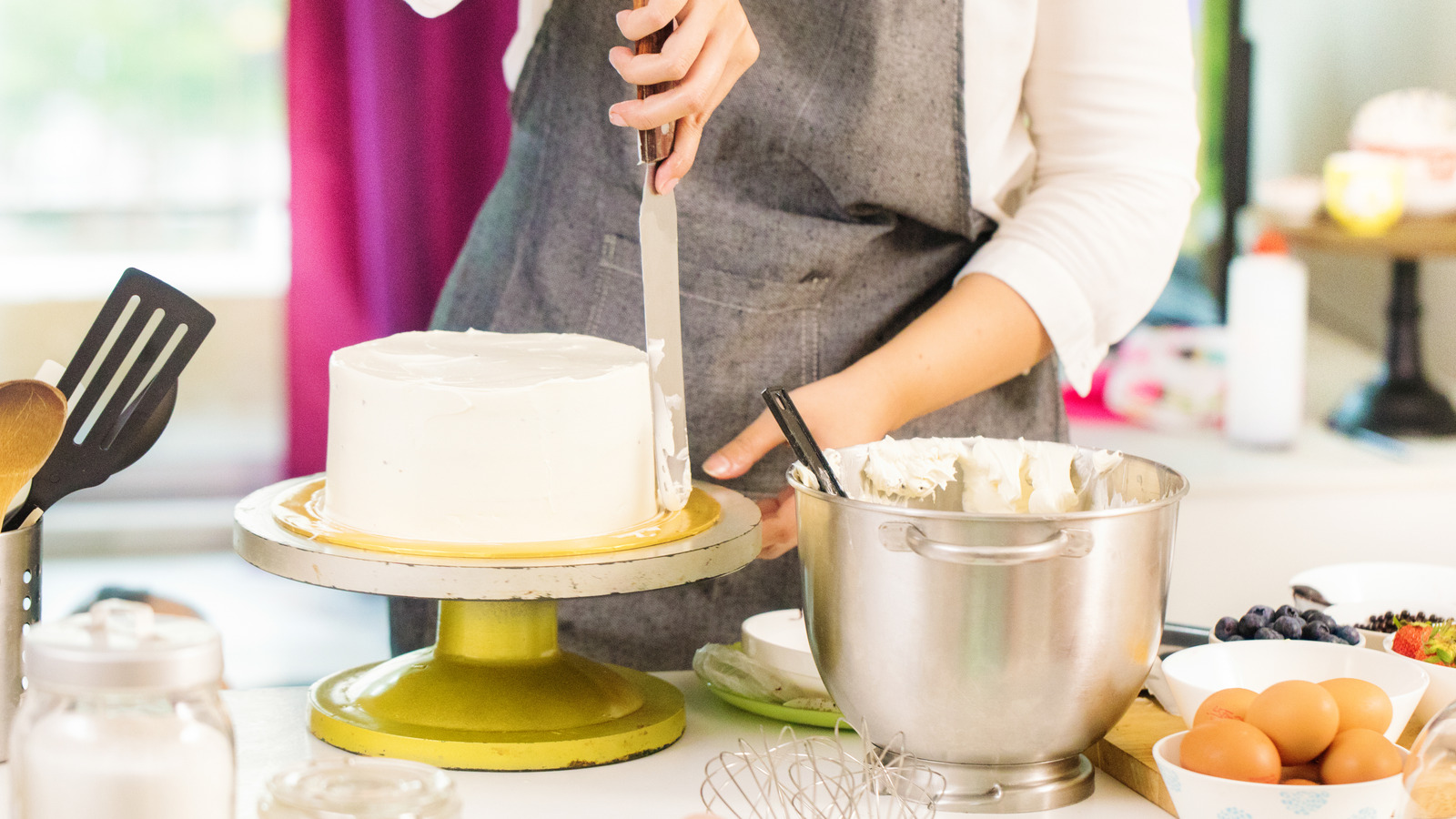
When it comes to adorning a beloved dessert, few choices spark as much delicious debate as buttercream versus cream cheese frosting. While classic buttercream holds a cherished place in the baker's repertoire, there's a compelling argument to be made for its tangier, more sophisticated cousin. Cream cheese frosting isn't just an alternative; it's an elevation, offering a nuanced flavor and luxurious texture that transforms ordinary treats into extraordinary culinary experiences.
For many bakers, mastering cream cheese frosting is a game-changer. It’s the secret weapon that makes a simple cake taste like it came from a high-end patisserie, without demanding hours of intricate work. Its inherent richness is perfectly balanced by a signature tang, ensuring that every bite is satisfyingly decadent without being overly sweet. From humble cinnamon rolls to elegant multi-layered cakes, this versatile frosting simply makes everything better.
Cream Cheese Frosting vs. Buttercream: A Tale of Two Toppings
At first glance, both cream cheese frosting and traditional buttercream serve the same fundamental purpose: to coat, decorate, and sweeten a dessert. However, their core compositions and resulting characteristics are distinctly different, leading to unique sensory experiences.
Buttercream: The Classic Sweetheart
Buttercream, in its most common American form, is a delightful concoction of butter, powdered sugar, a splash of milk or cream, and vanilla extract, whipped until incredibly light and fluffy. Its primary appeal lies in its airy texture and pure sweetness, making it a reliable choice for celebrations and intricate piping work. It's often the first frosting that comes to mind for birthday cakes and cupcakes, providing a sweet, buttery counterpoint to cakes.
Cream Cheese Frosting: The Tangy Innovator
Enter cream cheese frosting. While it shares butter and powdered sugar with its counterpart, the star ingredient—cream cheese—introduces a whole new dimension. This addition results in a richer, slightly denser texture that feels incredibly smooth and velvety on the palate. But the real magic lies in its flavor profile. The distinctive tang from the cream cheese acts as a brilliant foil to the sweetness of the sugar, creating a beautifully balanced taste that prevents the frosting from becoming cloying. This unique characteristic is precisely why cream cheese frosting has garnered such a loyal following among dessert enthusiasts.
Where buttercream often excels in providing a purely sweet, fluffy crown, cream cheese frosting delivers a more complex, grown-up flavor that complements and enhances the dessert it tops. It's less about being just "sweet" and more about being "harmonious."
The Irresistible Allure of Cream Cheese Frosting: Why It Stands Out
The rise of cream cheese frosting in popularity isn't just a trend; it's a testament to its inherent superiority in specific dessert applications. Here's why this tangy topping consistently elevates every dessert it graces:
- Balanced Sweetness: This is arguably its greatest strength. The tartness of the cream cheese cuts through the intense sweetness of powdered sugar and rich butter, creating a frosting that's deeply satisfying without being overwhelming. It allows the flavors of the cake itself—be it carrot, red velvet, or pumpkin—to shine through, rather than being overshadowed by pure sugar.
- Luxurious, Velvety Texture: Unlike the sometimes overtly airy nature of buttercream, cream cheese frosting boasts a smoother, denser, and more substantial texture. It feels incredibly luscious and decadent, melting beautifully in the mouth and coating it with a rich, creamy consistency that enhances the overall mouthfeel of any dessert.
- Unmatched Versatility: While inextricably linked with classics like carrot cake and red velvet, cream cheese frosting is a culinary chameleon. It's perfect on:
- Cakes: Beyond the usual suspects, try it on banana cake, spice cake, lemon cake, or even a simple vanilla sponge.
- Cupcakes: Provides a generous, pipeable swirl that makes every cupcake feel gourmet.
- Brownies & Bars: A thick layer transforms a basic brownie into a fudgy, tangy dream.
- Cinnamon Rolls & Buns: It’s the quintessential topping, adding a creamy, tangy counterpoint to the warm spices.
- Cookies & Loaves: Drizzle it over sugar cookies, or slather it onto banana bread or pumpkin loaf for an instant upgrade.
- Effortless Elegance: There's something inherently sophisticated about cream cheese frosting. Its appearance, often a pristine white or off-white, paired with its complex flavor, makes any dessert feel special. It suggests intentionality and a refined palate, even if it only took minutes to whip up.
Mastering Your Cream Cheese Frosting: Secrets to Success
Achieving that perfectly thick, smooth, and tangy cream cheese frosting isn't a matter of luck; it's a matter of science and technique. By understanding a few key principles, you can consistently produce bakery-level results at home. For even more in-depth techniques, explore our guide on Achieve Bakery-Level Frosting: No-Fail Secrets for Thick & Tangy Cream Cheese.
The Cream Cheese Commandment: Full-Fat, Brick-Style ONLY
This is non-negotiable. For a stable, luscious cream cheese frosting, you must use full-fat, brick-style cream cheese. Tub or whipped varieties contain too much water and emulsifiers, which will inevitably lead to a runny, unstable frosting. The denser fat base of brick-style cream cheese forms a stable emulsion when beaten with butter and sugar, providing that coveted thick and pipeable consistency. Brands like Philadelphia are considered the gold standard for their consistent quality and ideal texture.
The Temperature Truce: Cool Room Temperature is Key
Temperature is the silent architect of your frosting's texture. Both your butter and cream cheese must be at the right "cool room temperature" – typically around 67°F (19-20°C). If they're too cold, you'll end up with lumps that refuse to incorporate smoothly. If they're too warm and oily, your frosting will become greasy and thin, risking separation. The butter should be soft enough to leave an indentation when pressed, but not melty or shiny. The cream cheese should be fully softened to blend seamlessly without resistance. This ideal temperature allows the fat crystals to mix evenly, creating a uniform, stable, and velvety smooth frosting.
The Method That Matters: The Right Mixing Technique
Beyond the ingredients and their temperature, the way you combine them is crucial. Here's a refined approach:
- Cream Butter & Cream Cheese First: In your mixing bowl, beat the softened butter and cream cheese together on medium-low speed until completely smooth, light, and fluffy. This ensures no lumps remain and creates a uniform base. Scrape down the sides of the bowl frequently.
- Sift Your Powdered Sugar: Always sift your powdered sugar. This step, often overlooked, is vital for a truly smooth frosting, preventing gritty clumps.
- Gradual Sugar Addition: With the mixer on low speed, gradually add the sifted powdered sugar, a cup at a time, allowing it to fully incorporate before adding more. This prevents a sugary cloud and ensures even mixing.
- Flavoring & The Final Whip: Once all the sugar is incorporated, add your vanilla extract (and any other flavorings like a pinch of salt to enhance flavor). Increase the speed to medium-high and whip for just 1-2 minutes until the frosting is light, fluffy, and perfectly pipeable. Crucially, avoid overmixing. Overbeating can introduce too much air, making the frosting less dense, and in extreme cases, can cause the emulsion to break, leading to a runny mess.
Storing and Serving Your Tangy Masterpiece
Due to the perishable nature of cream cheese, proper storage is essential for both food safety and maintaining optimal texture. Unlike buttercreams that can often sit out for extended periods, cakes and desserts frosted with cream cheese frosting should be refrigerated if they won't be consumed within a couple of hours. Cover the cake loosely to prevent it from drying out or absorbing refrigerator odors.
You can also prepare your frosting ahead of time. Store it in an airtight container in the refrigerator for up to 3 days. When ready to use, simply let it come to cool room temperature (about 30-60 minutes) and give it a quick re-whip with an electric mixer until it's smooth and fluffy again. For longer storage, cream cheese frosting freezes beautifully for up to a month. Thaw it overnight in the fridge and re-whip before use.
For the best flavor and texture experience, serve desserts frosted with cream cheese frosting at cool room temperature. This allows the frosting to soften slightly, enhancing its creamy consistency and bringing out its full, balanced flavor profile.
Conclusion
In the culinary arena of dessert toppings, cream cheese frosting truly shines as a standout contender. Its unique blend of richness and tang offers a delightful complexity that traditional buttercream simply can't match, elevating the flavor and texture of almost any dessert it touches. By understanding the simple science behind its creation – prioritizing full-fat cream cheese, managing temperatures, and using a methodical approach – you can consistently achieve a perfectly stable, pipeable, and irresistibly delicious frosting. So, the next time you're contemplating a dessert upgrade, reach for that brick of cream cheese; you're just moments away from transforming your creation into a tangy masterpiece that will undoubtedly impress.
